
Caregiver vs. Commercial Growing

As the cannabis industry continues to skyrocket beyond once unforeseen metrics, the holy grail of plants has become more accessible to consumers all over the globe. The cannabis industry has come a long way since the years of marijuana prohibition. In today's landscape, consumers can walk into a dispensary to purchase cannabis and cannabis-related products with little-to-no hassle. As cannabis continues to grow in popularity, consumers are becoming more conscious of understanding the origins of what they are consuming. These concerns have given birth to a new debate within the cannabis community: which method of growing cannabis is better? Is a technique full of tender love and care or the more commercial-style approach often utilized by bigger corporations?
What is the Caregiver Method?
Growing cannabis is rather easy. However, growing good cannabis requires a lot of detail. This is why the method that requires the most of a cultivator's time, attention, and dedication is referred to as the 'caregiver method.' This method requires cannabis growers to tend the plant (as well as the soil) from 'plant-to-paper' or 'bud-to-blunt' and so forth. The caregiver will tend the plant's light schedule, nutrients, CO2 intake, etc. across all cycles of the plant's life. When done right, the caregiver method can produce some of the best craft cannabis consumers have ever experienced.
Advantages of the Caregiver Method
As aforementioned, the caregiver method can produce top-shelf quality craft cannabis when done correctly. Similar to the appeal associated with the growth of organic produce, the caregiver method provides consumers with the comfort of knowing that they are not receiving 'run-of-the-mill' cannabis. Moreover, caregivers often have a more organic approach versus commercially crafted buds.
What is Commercially-grown Cannabis?
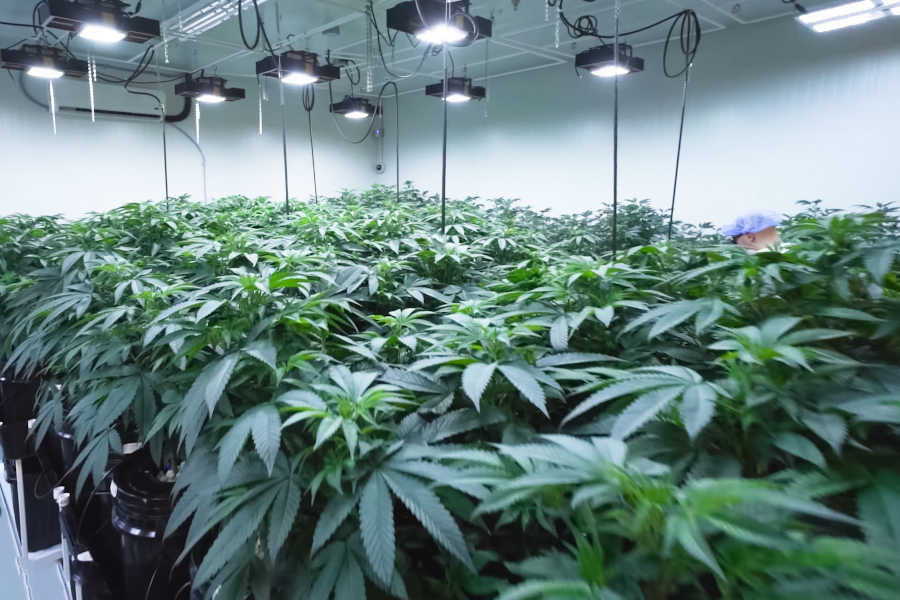
Commercially-grown cannabis is just as it sounds; this method utilizes industrial hardware designed exclusively for growth, maintenance, manicuring, pest control, and the harvesting of cannabis. Large cannabis brands tend to utilize commercial grow methods to maximize profitability and productivity while minimizing manufacturing costs.
Advantages of Commercial Cannabis
There are a few advantages associated with cannabis that has been grown commercially. When industrial hardware is used in growing cannabis, important factors such as the plant's feeding schedule, amount of lighting, macronutrients, and trace nutrients required for the plant (and the soil) can be regulated autonomously. This leaves little room for errors often associated with growing cannabis such as overfeeding or improper light or CO2 consumption
Disadvantages of Commercially-grown Cannabis
Commercially-grown cannabis also has its disadvantages. The major disadvantage that is often associated with commercial cannabis is its mass-produced appeal. We live in a society that is becoming more conscious of the things they are consuming daily, including cannabis. When faced with a choice of something mass-produced versus something 'organic,' most consumers will always pick the latter due to its 'caregiver' appeal. It is also worth noting that there is a similar cloud of distrust associated with commercially-grown cannabis thanks to the recent news of cannabis manufacturers' illicitly selling cannabis to the black market.
Why the Caregiver Method is the Superior Method for Growing Cannabis
Now that the methods have been properly analyzed, it is time to answer the question at hand: which method is better? If this question was posed to the cannabis community-at-large, virtually all members would align with the caregiver method. This is because the caregiver method provides the most organic approach to growing cannabis. With these facts in mind, the caregiver method of growing cannabis will always present a higher chance of growing fortified cannabis.